Regulatory Framework for Aerial Application of Pesticides
April 24, 2026
| Regulations
Overview
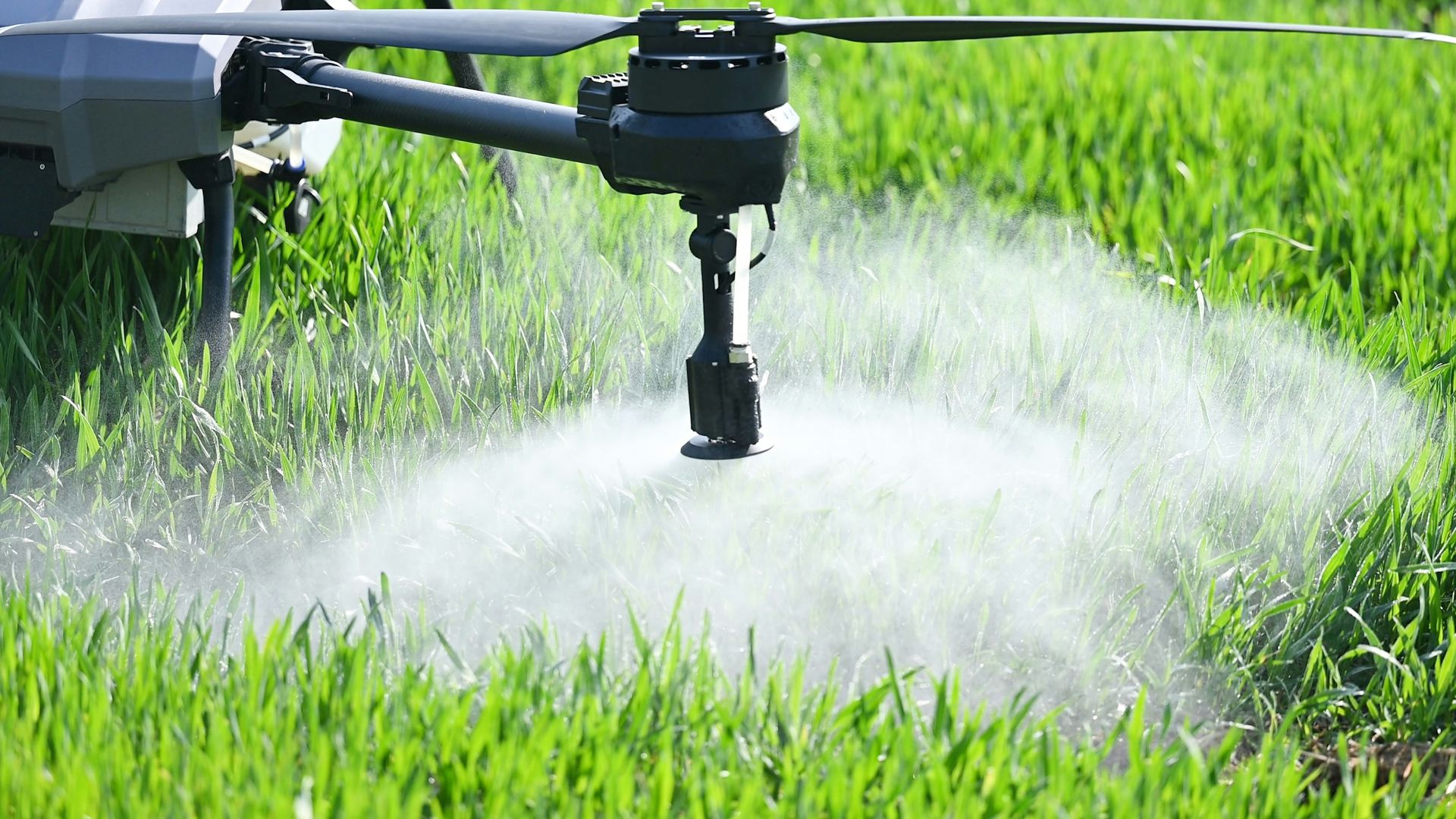
The FAO and WHO International Code of Conduct on Pesticide Management provides a global framework guiding safe, efficient, and responsible pesticide use; including aerial applications such as those using drones (Uncrewed Aerial Spray Systems – UASS).
These guidelines are designed to support governments, regulators, applicators, & manufacturers in ensuring aerial spraying practices protect human health, biodiversity, and the environment.
Core Principles
- Risk Reduction:
Only pesticides specifically approved for aerial application should be used. Every decision must follow a full risk–benefit assessment, ensuring minimal exposure to people, livestock, and ecosystems. - Regulatory Oversight:
National authorities must:- License aerial applicators and pilots (including drone operators).
- Approve pesticide formulations for aerial use.
- Monitor environmental impact and operator health.
- Enforce compliance through inspection and record-keeping.
- Safety and Training:
- All personnel—pilots, operators, and ground staff—must undergo certified training in pesticide handling, calibration, and emergency procedures.
- Operators must use personal protective equipment (PPE) and follow safety data sheets for each product.
- Mitigation of Spray Drift and Exposure:
- Apply pesticides using low-drift nozzles and the largest droplet sizes that still ensure efficacy.
- Avoid spraying during temperature inversions or high winds.
- Maintain buffer zones near residential areas, water bodies, and sensitive habitats.
- Technology Integration:
Use GPS, GIS, and real-time meteorological sensors to enhance precision and minimize off-target exposure.
Drone (UASS) technology enables small-scale, targeted applications that are cost-effective and safer for operators. - Legal and Ethical Considerations:
The guidelines stress respect for indigenous communities’ rights, informed consent, and protection of non-target species.
They complement existing national pesticide laws, aviation regulations, and international conventions.
Key Areas of Compliance
- Product Registration: Only products labeled for aerial use are permitted.
- Operational Procedures: Maintain logs of every spray operation, including weather, flight data, and products used.
- Health and Environmental Monitoring: Implement continuous surveillance for operator exposure and ecological impact.
- Emergency Preparedness: Establish protocols for spills, accidents, and equipment malfunctions.
Benefits of Compliance
Adhering to FAO’s guidance ensures:
- Safer and more sustainable pesticide use.
- Improved efficiency and crop yield.
- Greater public and environmental safety.
- International recognition and compliance with global standards.
Tags:
regulations
Comments (0)
No comments yet. Be the first!